


Deer are among the most recognizable wildlife in North America, Europe, and Asia, but their role in the ecosystem extends far beyond their familiar appearance. As key players in the natural world, deer help shape and sustain the environments they inhabit in several critical ways.
As herbivores, deer are important regulators of plant communities. By browsing on shrubs, grasses, and young trees, they prevent any single plant species from dominating a landscape, promoting plant diversity. This selective grazing encourages the growth of a wider variety of vegetation, which in turn supports a broader range of insects, birds, and small mammals.
Deer also serve as a vital food source for large predators. Wolves, mountain lions, coyotes, and bears all depend on deer as a primary prey animal. This predator-prey relationship helps regulate deer populations naturally and keeps ecosystems in balance. When deer populations grow unchecked — often due to habitat loss or the absence of predators overgrazing can degrade forests and grasslands significantly.
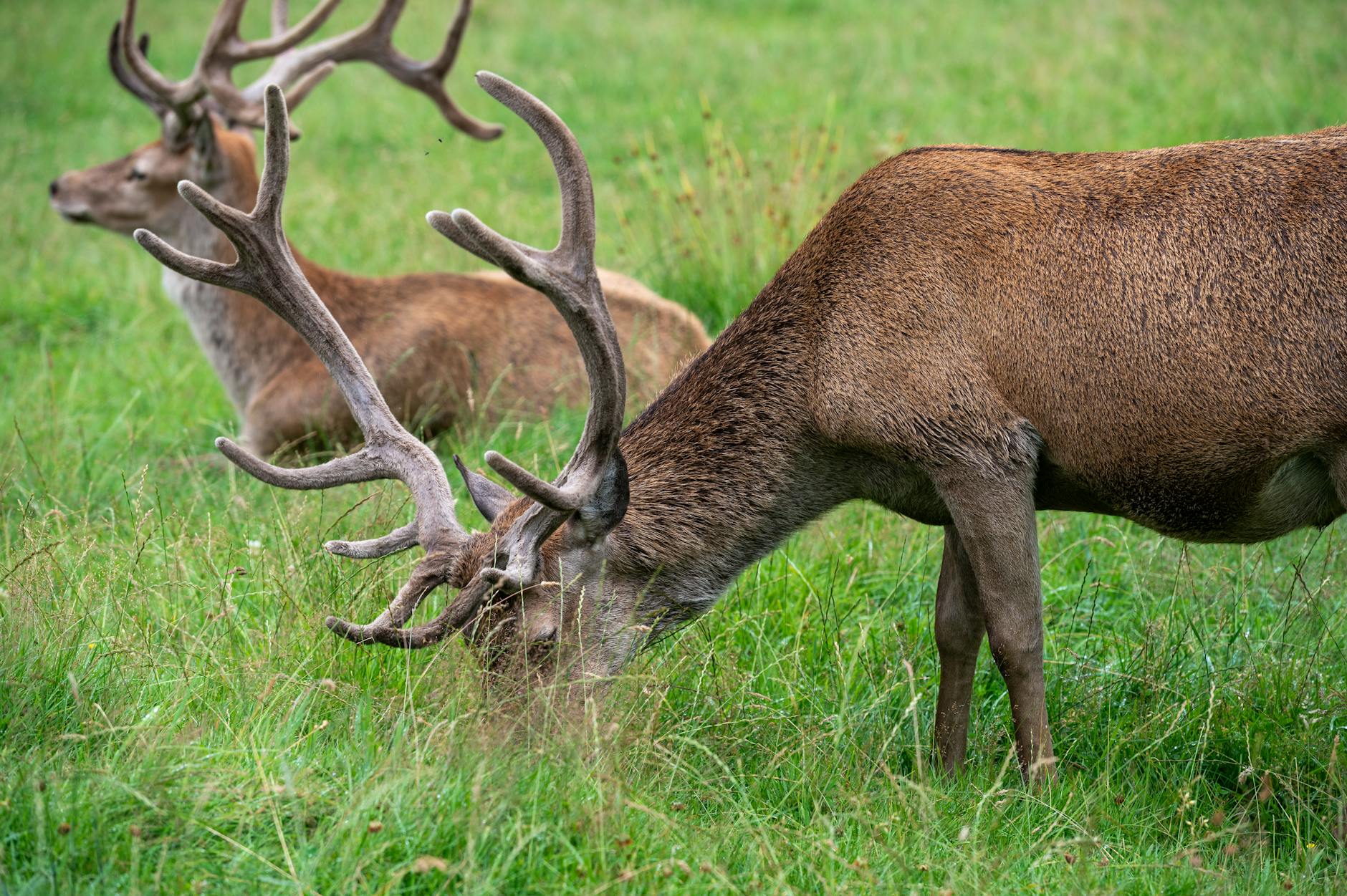
Beyond their role in the food chain, deer contribute to nutrient cycling. Their waste returns nitrogen and other nutrients to the soil, supporting plant growth. When deer die, their carcasses provide sustenance for scavengers like vultures, ravens, and foxes, feeding yet another layer of the food web.
Deer are also inadvertent seed dispersers. Seeds cling to their fur or pass through their digestive systems, spreading plant life across wide areas and supporting forest regeneration.
In short, deer are not just a symbol of wild spaces they are active participants in maintaining healthy, balanced ecosystems. Protecting deer populations and their habitats is essential to preserving the broader web of life that depends on them.